

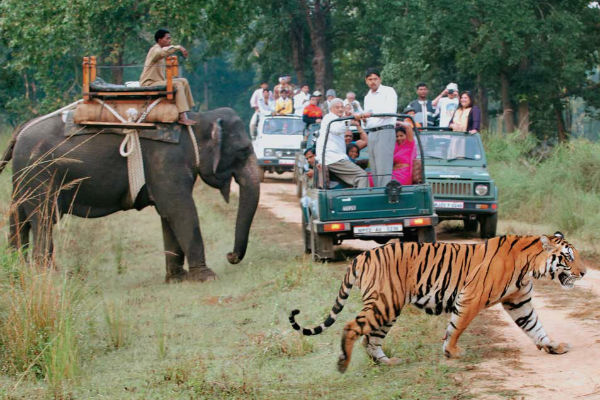
India is home to the majestic Bengal tiger, an iconic symbol of strength and beauty. Embarking on a tiger safari in India is a unique way to witness these incredible creatures in their natural habitat while exploring some of the country’s most stunning national parks. From dense forests and open grasslands to mangrove ecosystems, a tiger safari promises adventure, wildlife encounters, and unforgettable memories.
Why Choose a Tiger Safari in India?
- Biodiversity Hotspot: India boasts over 50 tiger reserves, making it one of the best countries to spot tigers in the wild.
- Scenic Landscapes: Tiger reserves are set in picturesque forests, rivers, and hills, providing breathtaking views.
- Wildlife Variety: Apart from tigers, you may encounter elephants, leopards, deer, crocodiles, and exotic bird species.
- Adventure & Excitement: Tracking tigers and exploring remote forests offers an unparalleled sense of thrill. Nature enthusiasts can enjoy an extraordinary tiger safari India experience with expertly guided tours.
Top Destinations for Tiger Safari in India
- Ranthambore National Park, Rajasthan – Famous for tigers amidst historic forts and lakes.
- Jim Corbett National Park, Uttarakhand – India’s first national park with a high chance of tiger sightings.
- Bandhavgarh National Park, Madhya Pradesh – Known for dense tiger population and ancient landscapes.
- Sundarbans National Park, West Bengal – Offers a unique boat safari to spot mangrove tigers.
- Kanha National Park, Madhya Pradesh – Famous for lush forests and wildlife diversity.
Each park offers a distinct experience, from jeep safaris to boat rides, ensuring a thrilling encounter with the wild.
Best Time to Go on a Tiger Safari
The best tiger sightings typically occur during the dry season when tigers come out to waterholes:
- Ranthambore & Jim Corbett: October to June
- Sundarbans: November to March
- Central India Parks (Bandhavgarh, Kanha, Pench): October to June
Early morning and late afternoon safaris are ideal for spotting tigers when they are most active.
Tips for an Unforgettable Tiger Safari
- Book in Advance: Reserve your safari online or through a trusted travel agency.
- Hire an Experienced Guide: Guides increase the likelihood of tiger sightings and ensure safety.
- Bring Essentials: Binoculars, camera, comfortable clothing, and water are must-haves.
- Respect Wildlife Rules: Follow park regulations and avoid disturbing animals.
- Stay Close to the Park: Lodging nearby helps in early morning safaris and an immersive experience.
The Benefits of a Tiger Safari in India
- Close Connection with Nature: Experience wildlife and wilderness up close.
- Educational Experience: Learn about tiger behavior, conservation, and the ecosystem.
- Photography Opportunities: Capture stunning wildlife shots and scenic landscapes.
- Support for Conservation: Tourism helps fund wildlife protection and park management.
A tiger safari in India offers a once-in-a-lifetime adventure, combining wildlife, nature, and excitement. Whether it’s tracking tigers in Ranthambore, exploring dense forests in Jim Corbett, or navigating mangroves in Sundarbans, each safari provides unique experiences that stay with you forever. By planning your trip carefully—choosing the right park, season, and safari type—you can witness the majestic Bengal tiger and other wildlife in their natural habitat. India’s tiger safaris are not just tours; they are journeys into the heart of the wild.
