

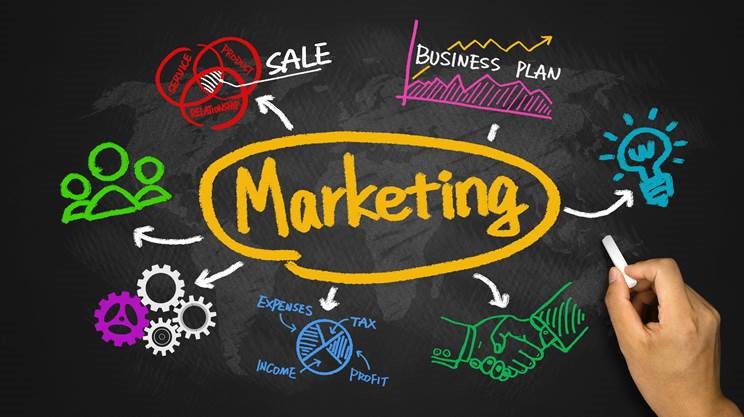
In today’s competitive online landscape, small businesses need to leverage digital marketing services to grow their brand, attract customers, and increase revenue. Unlike large corporations, small businesses often face budget constraints and limited in-house expertise. That’s where professional digital marketing services come in. By offering strategic guidance and practical solutions, agencies can help small businesses maximize their online presence effectively.
This guide will walk you through the essential digital marketing services for small businesses and outline the steps to implement them successfully.
Step 1: Understand Your Business Goals
Before investing in digital marketing services, small businesses need to define their goals. Ask yourself:
- Do I want to increase website traffic?
- Am I aiming for more leads or sales?
- Do I want to improve brand awareness or online reputation?
Having clear objectives ensures that your marketing efforts are focused and measurable.
Step 2: Build a Strong Online Presence
A solid online presence is the foundation of any digital marketing strategy. This includes:
- Website Development: Ensure your website is user-friendly, mobile-optimized, and fast.
- Search Engine Optimization (SEO): Optimize your site for relevant keywords to rank higher on Google.
- Local SEO: Claim your business on Google My Business to attract local customers.
These services help potential customers find your business easily and improve credibility.
Step 3: Leverage Social Media Marketing
Social media platforms are powerful tools for small businesses to engage with customers. Steps include:
- Choose the right platforms where your audience is most active (e.g., Facebook, Instagram, LinkedIn).
- Create a content calendar for consistent posting.
- Run paid social campaigns to reach a wider audience.
- Engage with followers through comments, messages, and reviews.
Social media marketing helps small businesses build brand loyalty and increase customer engagement.
Step 4: Implement Content Marketing
Content marketing drives traffic, builds trust, and improves SEO. Small businesses should:
- Publish blogs, articles, and guides relevant to their industry.
- Create visual content like infographics and videos.
- Optimize all content for search engines and user experience.
High-quality content positions your business as an industry authority and attracts potential customers organically. Quadra Digital Solutions offers comprehensive digital marketing services designed to boost traffic and generate leads for businesses of all sizes.
Step 5: Use Email Marketing to Nurture Leads
Email marketing is a cost-effective way to engage with prospects and existing customers. Steps include:
- Segment your email list based on customer behavior.
- Create personalized email campaigns and newsletters.
- Automate follow-ups and drip campaigns.
- Monitor open rates, click-through rates, and conversions to improve campaigns.
Email marketing strengthens customer relationships and encourages repeat business.
Step 6: Run Paid Advertising Campaigns
Paid campaigns provide immediate visibility and traffic. Small businesses can benefit from:
- Google Ads: Target potential customers searching for your products or services.
- Social Media Ads: Reach audiences on Facebook, Instagram, LinkedIn, and TikTok.
- Retargeting Ads: Convert visitors who previously interacted with your website.
Professional agencies manage campaigns to optimize ROI and reduce wasted ad spend.
Step 7: Track, Measure, and Optimize
The success of digital marketing services depends on continuous monitoring and improvement. Steps include:
- Use analytics tools to track website traffic, conversions, and campaign performance.
- Identify which channels and strategies deliver the best results.
- Adjust campaigns based on data insights.
- Maintain regular reporting to ensure goals are being met.
Optimization ensures that marketing efforts remain effective and cost-efficient over time.
Small businesses in today’s digital era cannot afford to ignore digital marketing services. By following these steps—defining goals, building an online presence, leveraging social media, implementing content and email marketing, running paid campaigns, and optimizing results—businesses can compete with larger companies and grow sustainably.
Partnering with a professional agency or utilizing expert services ensures that small businesses get the most out of their marketing investment, attracting new customers and achieving long-term success.
