

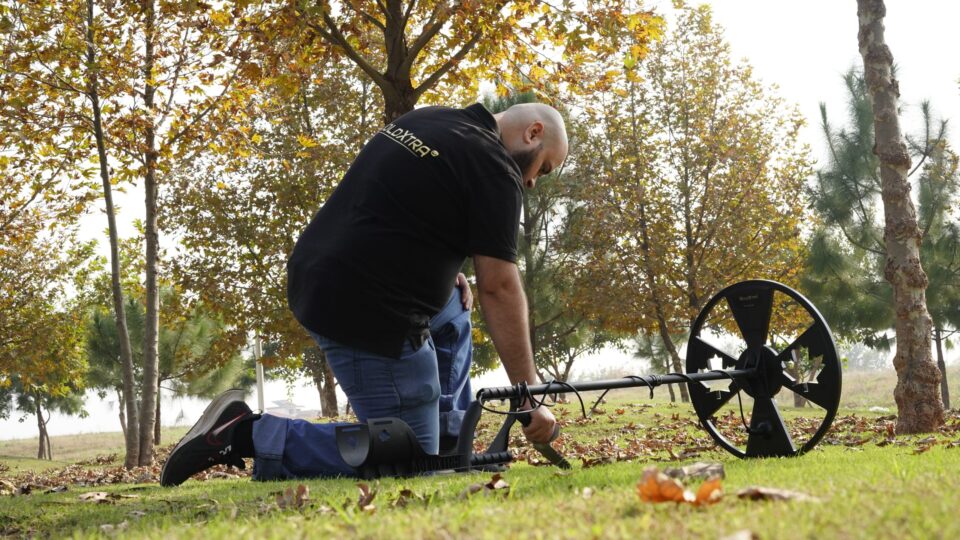
Metal detecting has come a long way from the simple machines of the past. Today, treasure hunters, archaeologists, and professionals have access to advanced metal detector systems that deliver precision, depth, and efficiency far beyond traditional devices. Understanding the differences between traditional and cutting-edge metal detector systems is essential for choosing the right tool for your treasure hunting goals.
This article explores the features, advantages, and limitations of both systems to help you make an informed decision.
- Traditional Metal Detector Systems
Traditional metal detectors, often referred to as VLF (Very Low Frequency) detectors, have been the standard for decades. These devices are widely used by beginners and casual treasure hunters due to their simplicity and affordability.
Key Features
- Single Frequency Operation: Detects metal using a fixed frequency, which can limit detection in certain soil conditions.
- Basic Target Identification: Offers a simple indication of metal type, usually through audio signals.
- Shallow Detection: Best suited for detecting coins, jewelry, or small relics close to the surface. Professionals rely on the Vertex metal detector for deep searches that standard detectors cannot reach.
Advantages
- Ease of Use: Simple controls make them ideal for beginners.
- Lightweight and Portable: Easy to carry and operate for long periods.
- Affordable: Entry-level detectors are budget-friendly.
Limitations
- Limited depth detection and less precision in target identification.
- Struggle in mineralized soils or salty environments.
- Less capable of filtering out trash metals, leading to more wasted digging.
- Cutting-Edge Metal Detector Systems
Modern detectors incorporate advanced technologies that vastly improve detection performance. These cutting-edge systems include multi-frequency detectors, Pulse Induction (PI), SFX technology, RSPU long-range sensing, and Smart 3D Imaging.
Key Features
- Multi-Frequency Operation: Detects both shallow and deep targets, providing versatility across terrains.
- Advanced Target Identification: Differentiates valuable metals from trash with high precision.
- Soil Adaptability: Automatic ground balancing adjusts to mineralized or wet soils.
- 3D Imaging and Smart Systems: Visualizes buried objects, showing size, shape, and depth.
- Long-Range Sensing: Detects hidden items from a distance, reducing search time.
Advantages
- High Accuracy: Minimizes false signals and improves target detection.
- Greater Depth: Finds deeply buried objects that traditional detectors might miss.
- Efficiency: Filters out unwanted metals to save time and energy.
- Versatility: Performs well in parks, beaches, forests, and goldfields.
- User-Friendly Design: Ergonomic controls, intuitive interfaces, and lightweight construction improve comfort during long sessions.
Limitations
- Higher cost compared to traditional detectors.
- May require a learning curve to use advanced features effectively.
- Comparison Table: Traditional vs. Cutting-Edge Systems
| Feature | Traditional (VLF) | Cutting-Edge (Multi-Frequency/Smart) |
| Detection Depth | Shallow | Deep, up to several meters |
| Target Identification | Basic | Advanced, precise |
| Soil Adaptability | Limited | Automatic, works in all soils |
| Technology | Single frequency | Multi-frequency, 3D imaging, RSPU |
| Ease of Use | Beginner-friendly | Beginner to professional (some features require learning) |
| Cost | Affordable | Premium price |
| Efficiency | Moderate | High, filters trash metals and reduces wasted digging |
- Which System is Right for You?
- Beginners: Traditional VLF detectors are perfect for learning the basics and hunting coins or small relics.
- Professional Treasure Hunters: Cutting-edge systems are ideal for deep searches, gold prospecting, and historical artifact recovery.
- All-Round Enthusiasts: Advanced detectors offer versatility for both shallow and deep hunting, making them a long-term investment.
- Advantages of Cutting-Edge Metal Detector Systems
Investing in a modern, advanced detector provides several advantages over traditional systems:
- Unmatched Precision: Higher accuracy in detecting valuable metals.
- Extended Detection Range: Locate deeply buried treasures that basic detectors cannot reach.
- Time-Saving Efficiency: Filters unwanted metals, focusing on real targets.
- Adaptable to All Terrains: Performs well in different soil types and environmental conditions.
- Enhanced User Experience: Ergonomic design and intuitive displays reduce fatigue and improve usability.
While traditional metal detectors remain a solid choice for beginners, cutting-edge metal detector systems redefine treasure hunting with precision, depth, and efficiency. Advanced detectors with features like multi-frequency operation, soil adaptability, 3D imaging, and smart filtering allow treasure hunters to locate valuable metals more reliably than ever before.
Whether you are a casual hobbyist or a professional seeking coins, relics, or gold, understanding the differences between traditional and modern systems will help you choose a detector that meets your goals and elevates your treasure hunting experience.
With the right technology, treasure hunting is no longer just about luck—it’s about precision, efficiency, and uncovering hidden treasures with confidence.
