

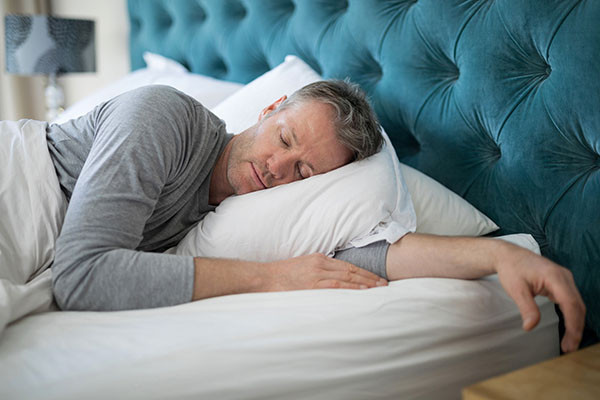
Tossing and turning at night? You’re not alone. Millions of people struggle with falling asleep, staying asleep, or waking up feeling tired — even after a full night in bed.
Whether you’re battling insomnia, stress-induced restlessness, or poor sleep habits, the good news is: you can fix it — and you don’t need pills to do it. The following expert-recommended sleep tips are simple, natural, and backed by science.
Let’s dive in step-by-step.
✅ Step 1: Set a Consistent Sleep and Wake Schedule
Our bodies thrive on routine. Going to bed and waking up at the same time every day strengthens your circadian rhythm, the body’s internal clock.
🕒 Pro Tip: Pick a wake-up time and stick to it — even on weekends. Your body will start to feel sleepy at the same time each night, naturally.
✅ Step 2: Create a Wind-Down Routine
Sleep doesn’t just happen; your brain needs time to shift from “on” to “off.” A pre-sleep routine signals to your body that it’s time to rest.
🌙 Try This:
- Shut off electronics 1 hour before bed
- Dim the lights
- Try journaling, reading, deep breathing, or a warm bath
✅ Step 3: Cut Back on Stimulants
Caffeine, nicotine, and even sugar can linger in your system and disrupt your sleep cycle. Limit these — especially later in the day.
☕ When to Stop:
- Caffeine: no later than 2–3 PM
- Alcohol: avoid within 3 hours of bedtime
- Nicotine: avoid entirely before bed
✅ Step 4: Optimize Your Sleep Environment
Where you sleep matters. A cluttered, noisy, or too-warm bedroom makes deep sleep harder to achieve. Learn more about the science of sleep and understand how your body interacts with rest.
🛏️ Checklist for a Sleep-Friendly Bedroom:
- Room temperature: 16–19°C (60–67°F)
- Use blackout curtains or a sleep mask
- Try white noise or earplugs for silence
- Invest in a comfortable mattress and pillow
✅ Step 5: Get Natural Light in the Morning
Your sleep starts in the morning. Sunlight helps regulate your melatonin levels and sets the tone for your circadian rhythm.
☀️ Best Practice:
Spend at least 15 minutes outdoors in the morning light — no sunglasses, if possible.
✅ Step 6: Move Your Body (But Not Too Late)
Regular physical activity improves deep sleep, reduces stress, and boosts energy. Just be mindful of timing.
🏃 Ideal Timing:
Exercise in the morning or early afternoon. Avoid intense workouts 2 hours before bed.
✅ Step 7: Be Smart About Napping
Naps can be helpful — or harmful — depending on how and when you take them.
🛌 Nap Wisely:
- Limit naps to 20–30 minutes
- Nap before 3 PM
- Avoid napping if you struggle with falling asleep at night
✅ Step 8: Try Natural Sleep Aids (Optional)
If you need extra help, consider mild, natural aids — but use them as a complement, not a solution.
🌿 Natural Options to Explore:
- Magnesium supplements
- Chamomile or valerian tea
- Lavender essential oil
- Melatonin (for short-term use only)
✅ Step 9: Limit Screen Time at Night
Blue light from phones, tablets, and TVs suppresses melatonin, the hormone that helps you fall asleep.
📵 What to Do Instead:
- Switch to night mode or blue light filters
- Turn off screens 60 minutes before bed
- Read a physical book or listen to calming audio
✅ Step 10: Seek Professional Help If Needed
If you’ve tried these steps consistently and still can’t sleep, it may be time to consult a sleep expert or doctor.
🧠 Warning Signs:
- Trouble sleeping for 3+ nights a week
- Constant fatigue despite 7–9 hours of sleep
- Loud snoring or gasping at night (possible sleep apnea)
💡 Final Thoughts
You don’t have to suffer through sleepless nights. With the right routine, environment, and natural strategies, better sleep is entirely within reach.
Start with just 1–2 of these expert tips and build from there — consistency is key. Your future self (and brain) will thank you.
For more evidence-based strategies and personalized sleep consulting, visit ScienceSheep.com — your trusted guide to sleeping smarter, deeper, and healthier.
Would you like this turned into a downloadable checklist, Pinterest infographic, or a short eBook for lead generation?
